Why Mentorship Matters:
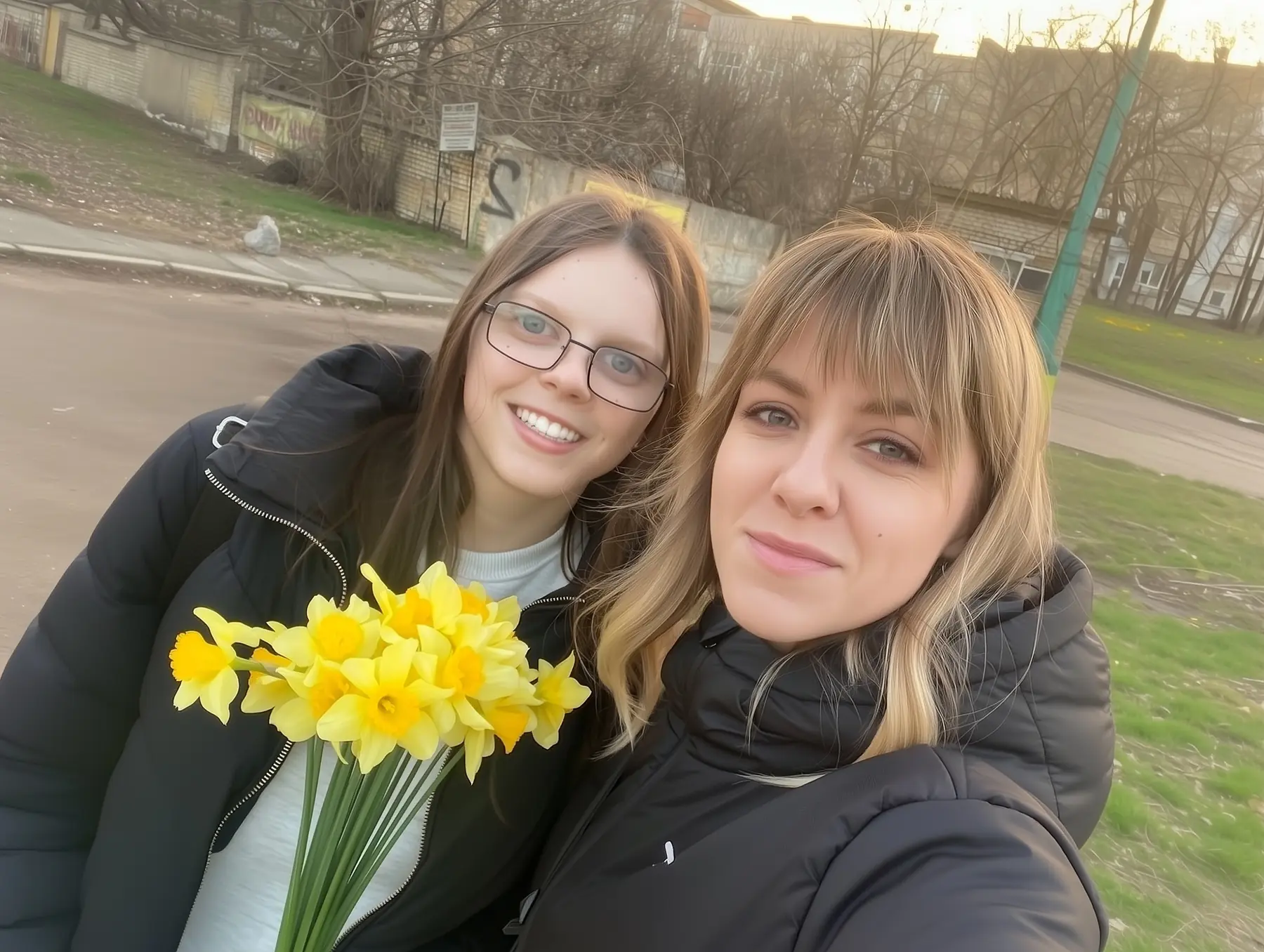
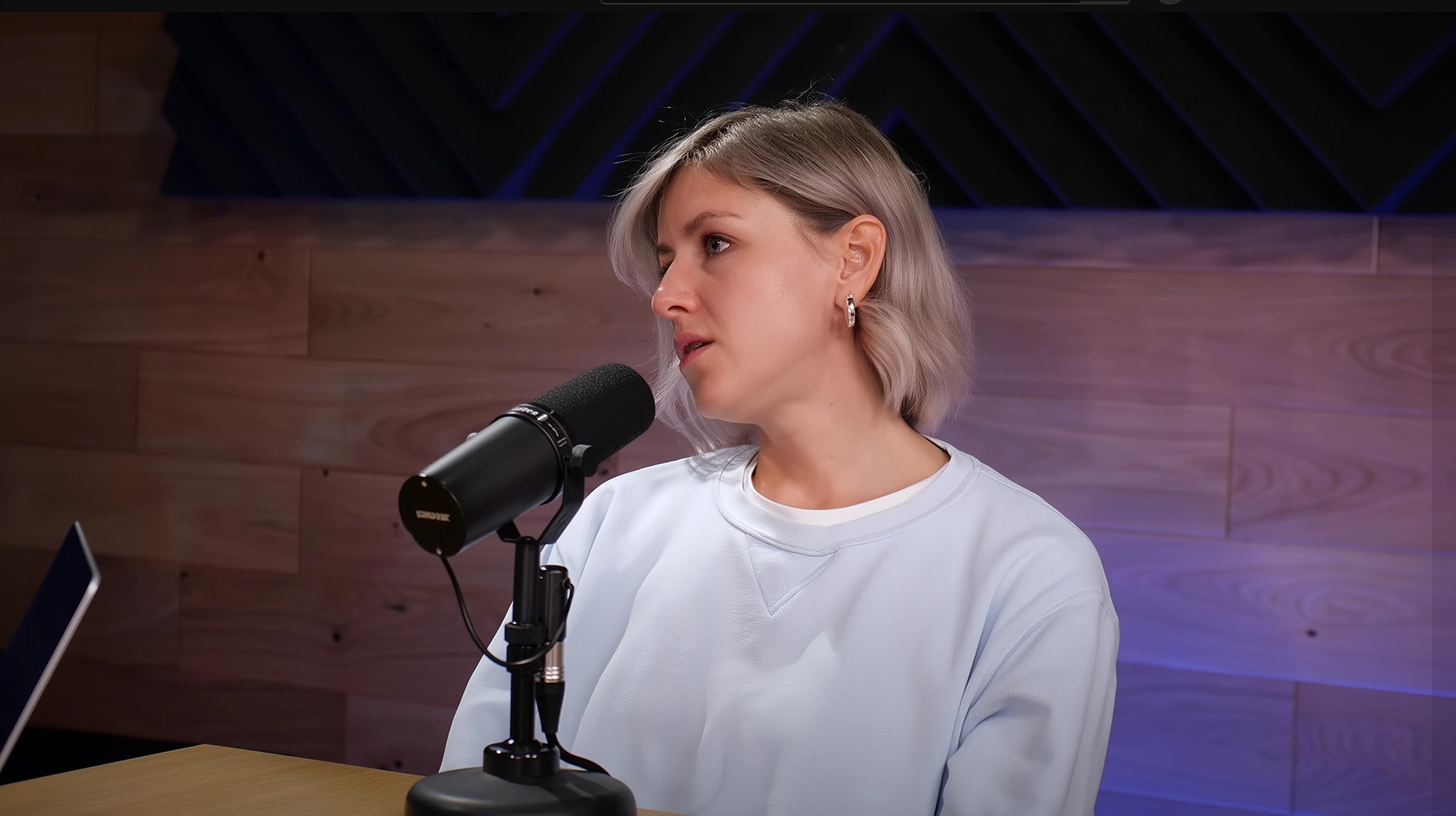
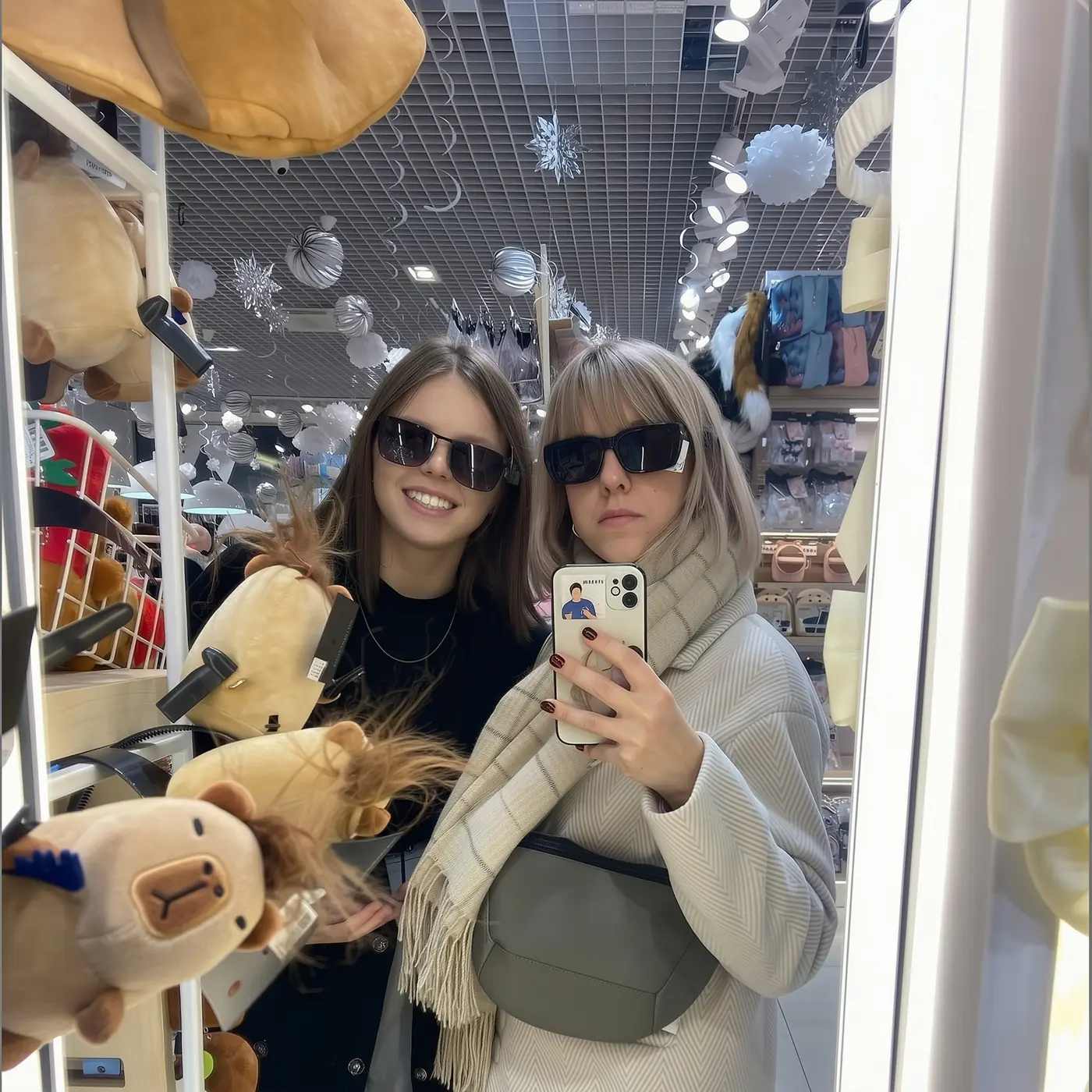
Masha Strelkina is a mentor in a project run by the Grow Up in a Family Foundation. On Radio M, she explained how mentorship works, why children in guardian families need the support of an adult friend, and how people who want to join can get started.
The Grow Up in a Family Foundation supports families in which grandparents have taken guardianship of their grandchildren or great-grandchildren so that the children do not enter residential institutions. Mentorship for children in these families is a separate area of the Foundation’s work.
A mentor does not replace a family. Their role is different: to be present, build a friendship, help the child socialize and understand themselves, explore future careers, and navigate education and adult life.
Masha says that personal example is essential in mentorship. It is not about lectures or instructions, but about spending time together, talking, walking, and discovering new places and people. Sometimes it is a visit to a café or an ice rink, or simply a walk through the city. Sometimes it is a chat, a phone call, or a short message that tells the child, “I am part of your life.”
Trust does not appear immediately. Children who have experienced loss or hardship are often cautious about letting new adults into their lives. That is why consistency matters: mentors should keep plans, avoid disappearing, explain changes, and show that the relationship will not end when difficulties arise.
Mentorship helps more than the child. The adult also learns—to set boundaries, be patient, avoid expecting quick results, listen to another person, and remain present even when progress is slow.
The path to becoming a mentor at the Foundation has several stages. It begins with an information session where the team explains the project in detail. This is followed by an application, an interview with a psychologist, a medical examination, training, and a mutual matching process for the child and mentor. The team considers the mentor’s strengths, the child’s needs, and the family’s readiness for the relationship.
Mentors are not left on their own. The Foundation supports each pair, helps them navigate difficult situations, involves psychologists when needed, and organizes shared activities for children, mentors, and guardians.
Today, the Foundation is looking for people who are ready to become a steady adult friend in a child’s life—not a perfect hero, but a real person who can be present, listen, offer support, and help the child see more possibilities for the future.
Would You Like to Become a Mentor?
The first step is to attend an information session and learn how the mentorship program works at the Grow Up in a Family Foundation.