Mentorship Changes Lives:
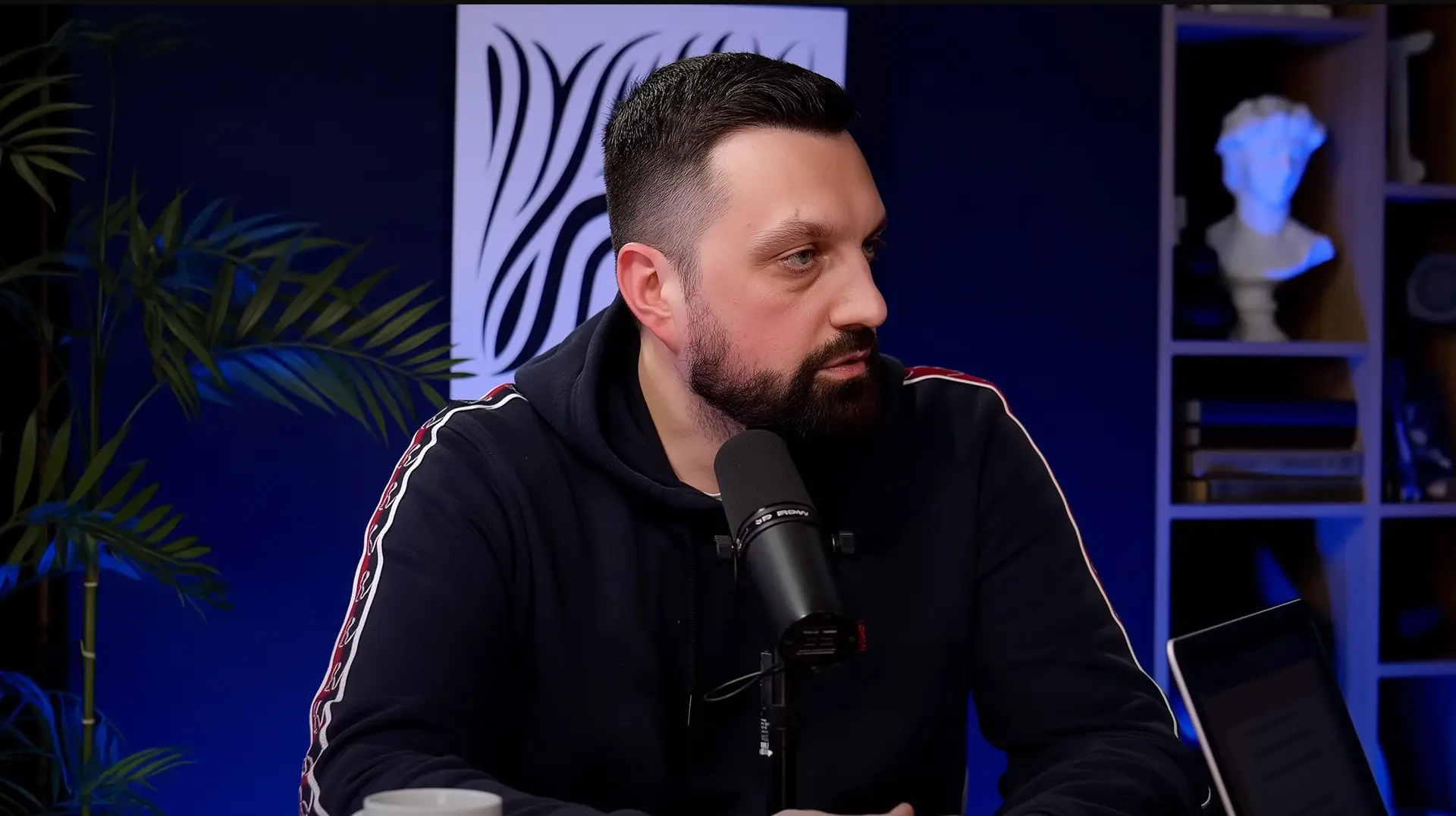
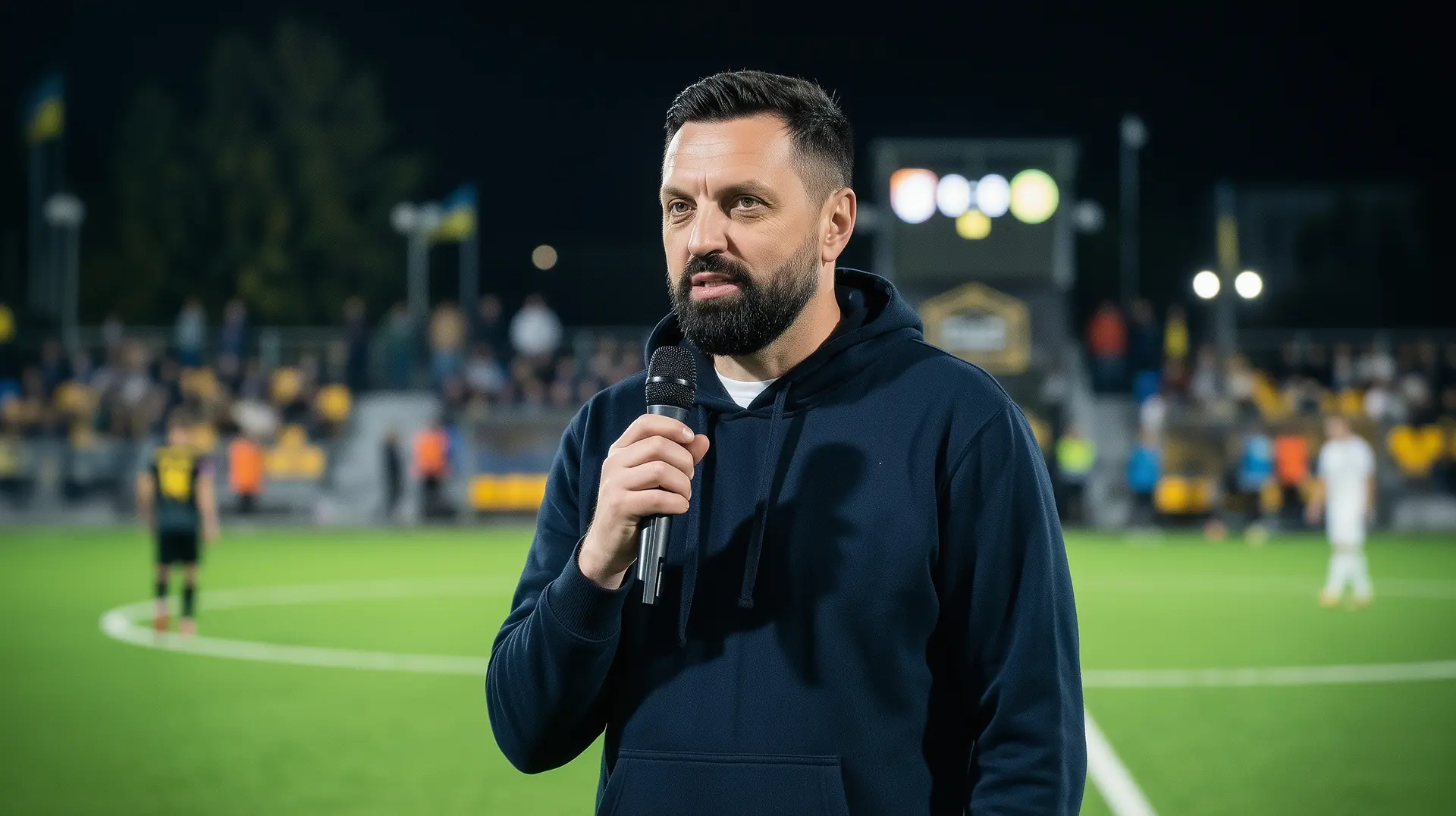
Yevhen Osypchuk is the director and co-founder of the Grow Up in a Family Foundation and leads its mentorship program. In an interview with Radio M, he explained why mentorship has become an important area of the Foundation’s work and how it helps children in guardian families.
The Grow Up in a Family Foundation supports families in which grandparents have taken guardianship of their grandchildren or great-grandchildren so that the children do not enter residential institutions. Material assistance, however, is only one part of that support. Children also need attention, opportunities to grow, communication, and an adult who will remain present over time.
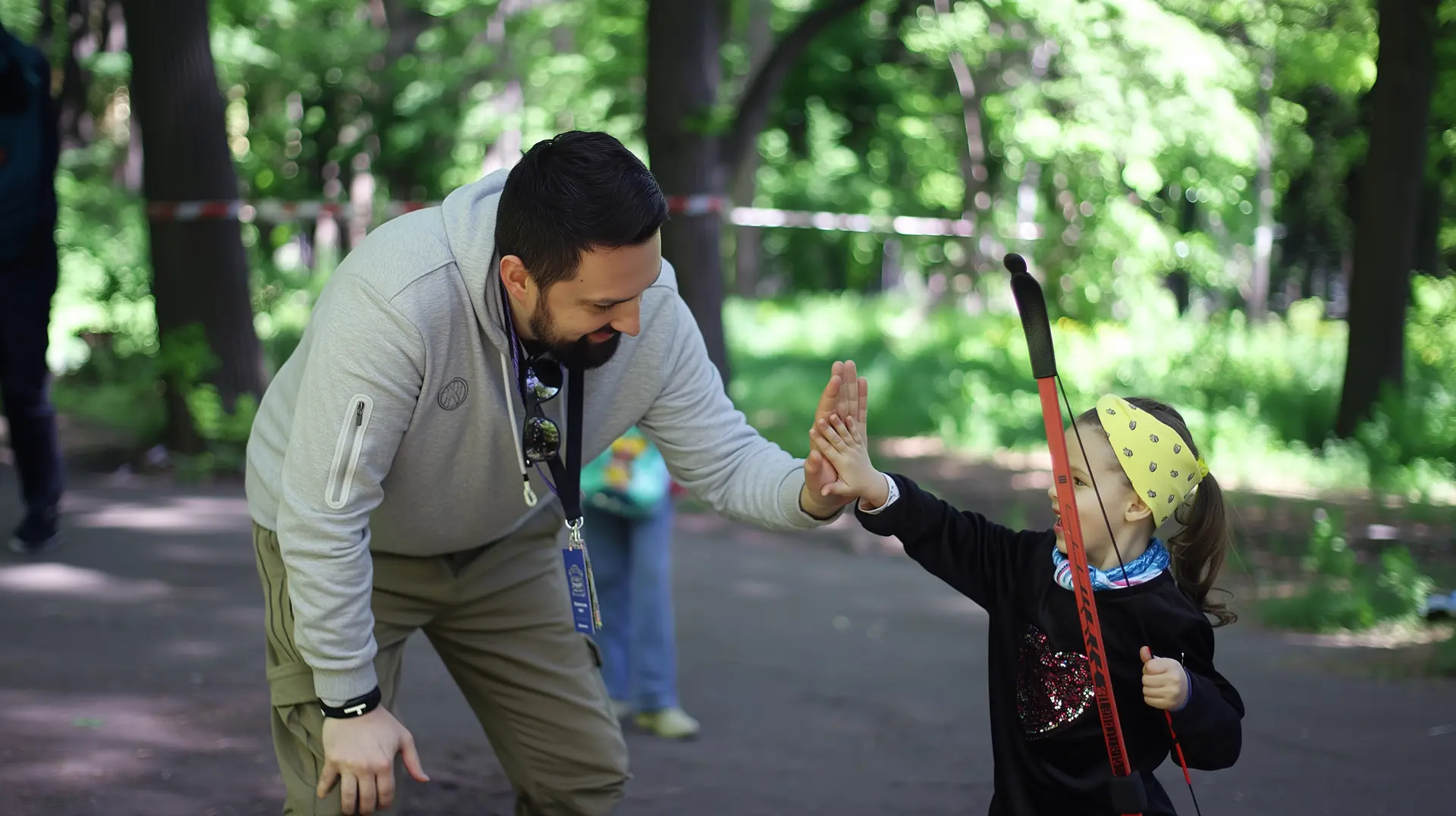
Mentorship provides that kind of support. A mentor is an adult friend who communicates with a child regularly, helps them socialize and discover new interests, supports their self-understanding, and gradually prepares them for independent life.
Yevhen explains that mentorship is not a quick solution. It is not a one-time meeting or campaign. It is a relationship built through trust, time, and consistency. For children who have experienced loss or hardship, the steady presence of an adult is especially important.
Prospective mentors in the Foundation’s program complete several stages: an information session, an application, an interview with a psychologist, a medical examination, training, and a mutual matching process with a child. This journey prepares the adult for a responsible role and helps create a pair in which both the child and mentor feel comfortable.
Mentorship helps broaden a child’s horizons. It may involve walks, shared activities, introductions to different professions, help with education, or simply a conversation with someone who listens carefully. For a child, this experience can strengthen their sense of self-worth and reveal more possibilities for the future.
Mentors are not left on their own. The Foundation team supports each pair, helps navigate difficult situations, and organizes shared activities. Responsible support requires more than good intentions—it also needs a reliable system.
Today, the Foundation is looking for people ready to join the mentorship program. You do not need to be perfect. What matters is being consistent, responsible, and willing to build trust step by step.
Would You Like to Become a Mentor?
The first step is to learn more about the program and attend an information session with the Foundation team.