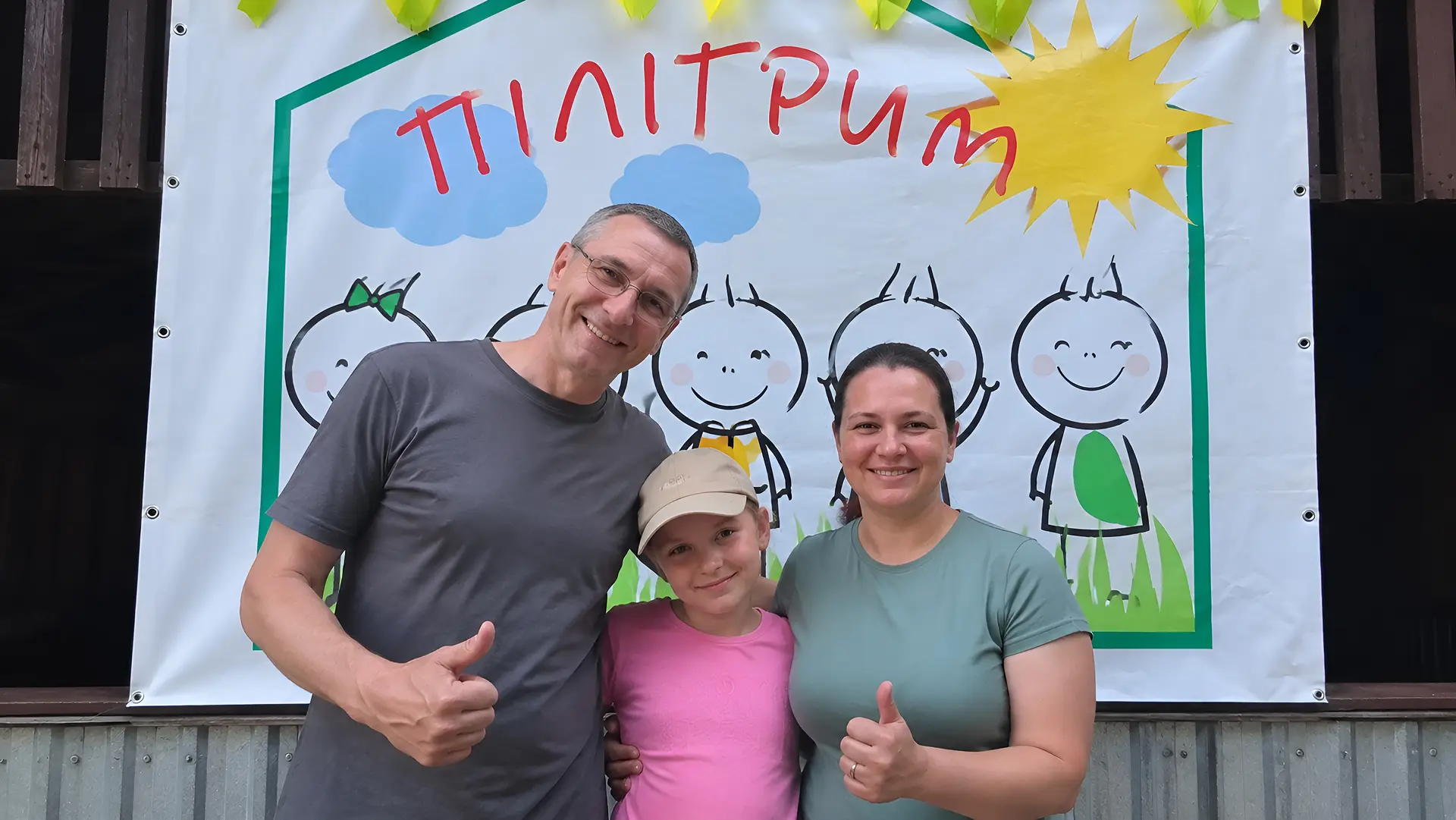
Mentorship


What Mentorship Is




What a Mentor Does
Simply Be There
A mentor spends time with the child, talks, goes for walks, has tea, and listens.
Explore Careers Together
They discuss dreams, learn about modern professions, and help the child think through educational choices.
Support Learning
They help with homework and suggest where to find courses or other learning opportunities.
Lead by Example
They show how to plan the day, communicate, act with confidence, and set personal boundaries.
Explains the World
They talk about things that may be missing at home: emotions, relationships, and fears.
They show how to plan the day, communicate, behave in a café, and use public transport.
a Mentor
Requirements:
We are looking for mature, independent people who are ready for a long-term relationship.
Mentorship means regular meetings. Not once. Not just for a photo. It is about showing up consistently.
No teaching experience is required. Empathy is what matters most.
Training, a medical check, and an interview help ensure a safe experience for both the child and the mentor.
Mentorship


How to Become a Mentor
Steps:
You get to know the Foundation and the project and tell us a little about yourself.
The medical check is required for safety.
Four days of training with psychologists and mentors, then we match you with a child.
The official mentorship begins with an agreement, first meetings, and getting to know each other.


Support
Mentor Application Form

News from Our Blog
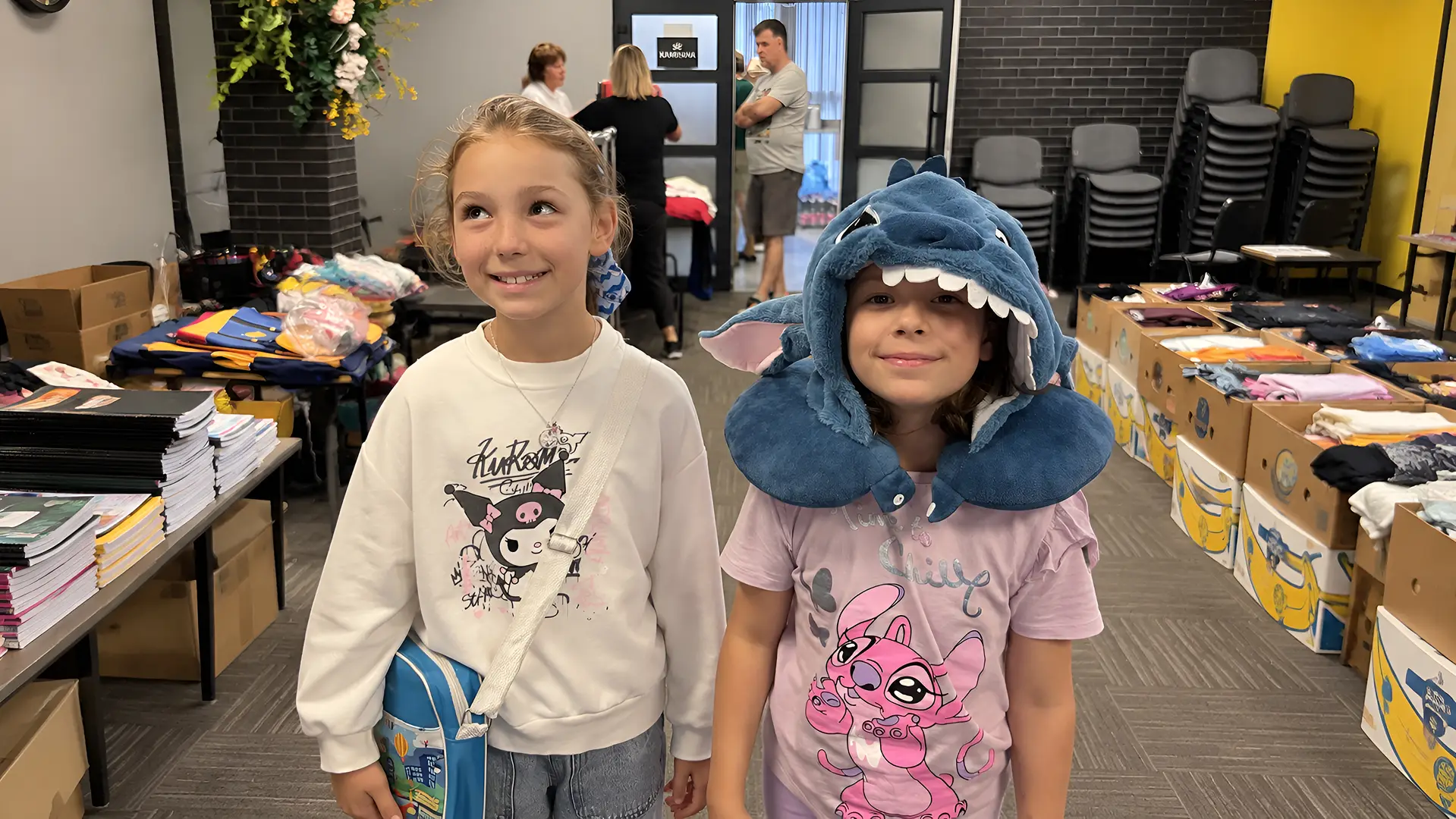
Back-to-School Shopping

Education That Opens New Opportunities: